
When Ana Ts’uyeb first turned on her camera in her Tzotzil community in Chiapas, she wasn’t just looking to make films: she wanted to confront, question, and heal deep wounds.
“Li Cham (I Died to Be Reborn)” is not just a documentary; it is the voice and the struggle of three women who, against the current of centuries of machismo, are writing a new history of dignity and female freedom in Naranjatic Alto.
At 29, Ana Ts’uyeb has transformed the life of her community through film. Until recently, life in Naranjatic Alto, a municipality in Chenalhó, was dominated by norms that prevented any woman from deciding about her work, her future, or, much less, with whom to start a family.
Domestic violence, machismo, and ancestral traditions limited women’s development, but something began to change thanks to Ana’s uncomfortable yet courageous perspective.
“For me, film is a tool that greatly helps us to bring what’s happening on screen to the outside world and also into our community, showing what we experience. As my father, a man who is also a sexist, told me when he first saw this documentary, men don’t like to be confronted directly, but once you’re on screen, it’s uncomfortable to see everyone engaging in that same behavior,” the filmmaker stated in an interview.
“It’s crucial to reflect on this, and this applies not only to men but also to women; it’s a responsibility we all share, regardless of gender,” she added.
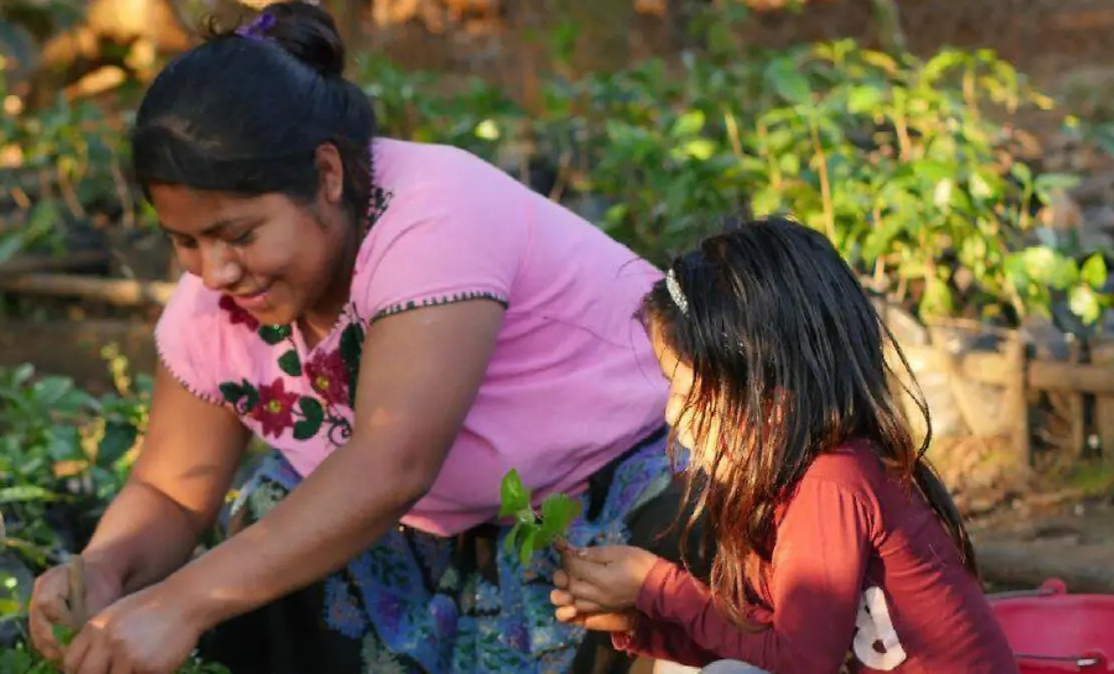
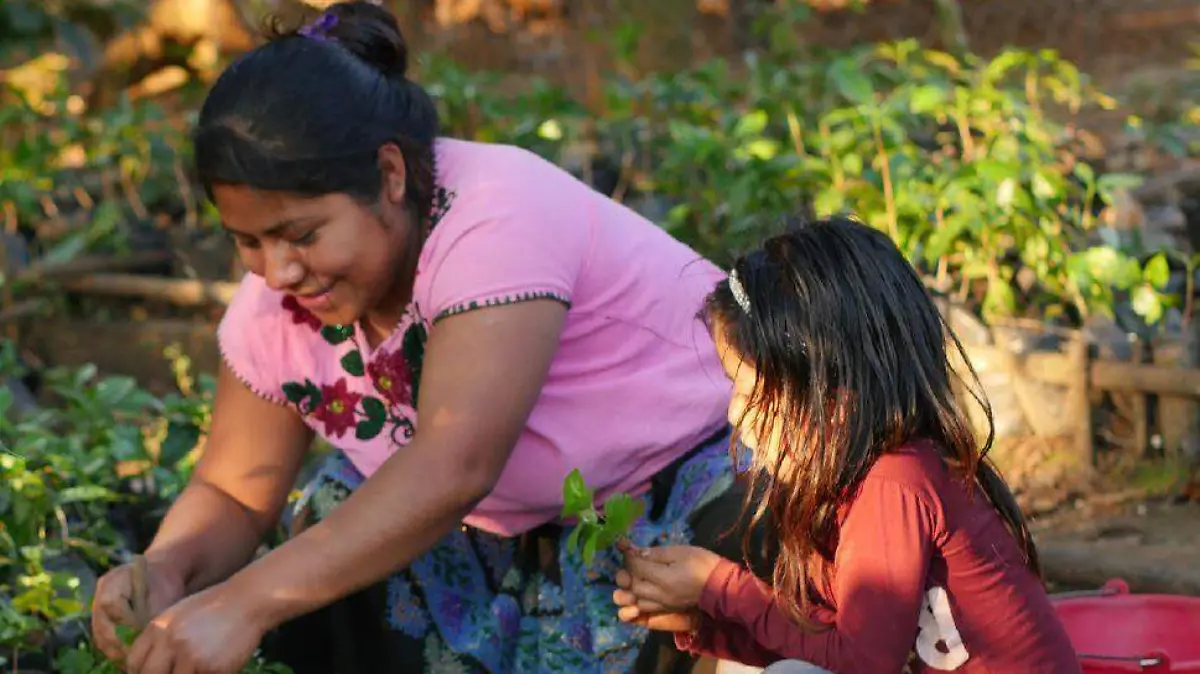
The documentary portrays the lives of three women: Margarita, Juana, and Faustina—her mother, aunt, and sister-in-law—and follows them in their daily lives within the Tzotzil community. Their stories depict the battles against domestic violence, the loss of loved ones to physical and verbal abuse, and the struggle to break free from oppressive traditions.
“These are three women who have truly made history within their community, and they have inspired me, which is what led me to make this film. My own mother aspired to study, to dedicate herself to something else, to leave her community. My aunt also faced a very patriarchal community for being the woman in her family.
“So far, there have been significant changes, men are more aware, generations are more conscious of physical violence, but we are in a context where patriarchal practices are present everywhere,” she shared.
One of the film’s objectives is to raise awareness among women, since they are the ones who raise sons, the filmmaker indicated.
“Initially, the idea for the documentary only featured my mother, however, I decided to include my brother as well because gender roles no longer exist.” Her responsibilities extend to the kitchen and the fields, which is why in the documentary we see her helping my mother prepare tamales and clean.
“It’s been a family struggle, a struggle among women, a conscious effort to reflect on these practices, to break with gender roles, and in my family there has undoubtedly been a change. I grew up with a father who practiced very strong machismo, and yet he also sees his children washing their clothes and cooking as perfectly normal, and that practice has also generated this awareness, and he puts it into practice.”
Source: oem