
The Teacher Conflict in Chiapas Impacts the Angel Albino Corzo International Airport
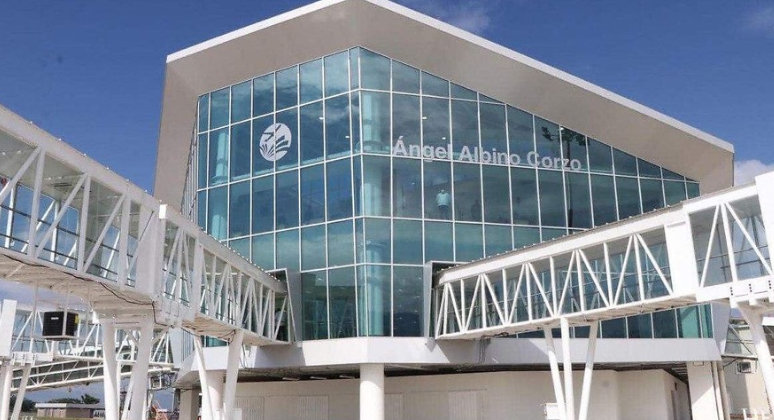
The teacher conflict in Chiapas reached a much more delicate breaking point this Friday, June 12, than the usual highway blockades: the Angel Albino Corzo International Airport. The new angle of the day’s events was not just the protest itself, but its capacity to disrupt a key infrastructure for passenger transport, tourism, and the economic activity of the state. According to reports from Cuarto Poder, at least half a dozen flights were affected, and dozens of users were left stranded or waiting for an uncertain rescheduling.
The relevance of what occurred lies in the type of facility that was targeted. An airport does not function solely as a gateway and exit for travelers; it is also a logistical node whose operation sustains service chains, business meetings, medical connections, and investment activities. When a protest touches that point, the cost ceases to be merely political and becomes practical and immediate for hundreds of people. This is the turn that differentiates this news story from the political statement published in the same category on June 11: now the conflict has directly hit the daily operations of Chiapas.
Users, Airlines, and Tourism Caught in the Same Pressure
According to the local report, the protesters arrived at the terminal in the early hours and blocked access points for several hours. The airport administration maintained that the operational facilities remained secured, but also made it clear that the rescheduling of flights would have to be negotiated by the airlines with each passenger. This detail is important, because it transfers the burden of the conflict onto users who had already paid for tickets, lodging, connections, or family commitments.
The effect was not minor. There were passengers who missed flights to Cancun and other cities; tourists who no longer had the budget to stay an extra night; and travelers worried about jobs, reservations, or family care in other states. In an entity that has attempted to strengthen its connectivity and project itself as a competitive destination in the southeast, an image of closed accesses and stranded users is not a minor anecdote, but a sign of operational vulnerability.
The Conflict Is No Longer Measured Only by Its Message, but by Its Local Cost
The Angel Albino Corzo Airport is a symbolic and functional piece for Chiapas. Its weight is not reduced to the movement of tourists. It also represents a route for business, officials, students, and specialized services. That is why today’s blockade opens up a broader discussion: how far a protest can escalate without eroding sectors that sustain the economic and social life of the state. This is the question that is beginning to impose itself among users, business owners, and authorities.
What this June 12 leaves behind is a clear scene. The teacher pressure passed from the realm of warning to that of visible disruption in one of the most sensitive points of mobility in Chiapas. If the conflict continues to radicalize, the cost will no longer be measured only in declarations or tensions with the government, but in cancellations, delays, economic losses, and the deterioration of confidence in the state’s capacity to keep its strategic services functioning.
Source: gacetamexicana