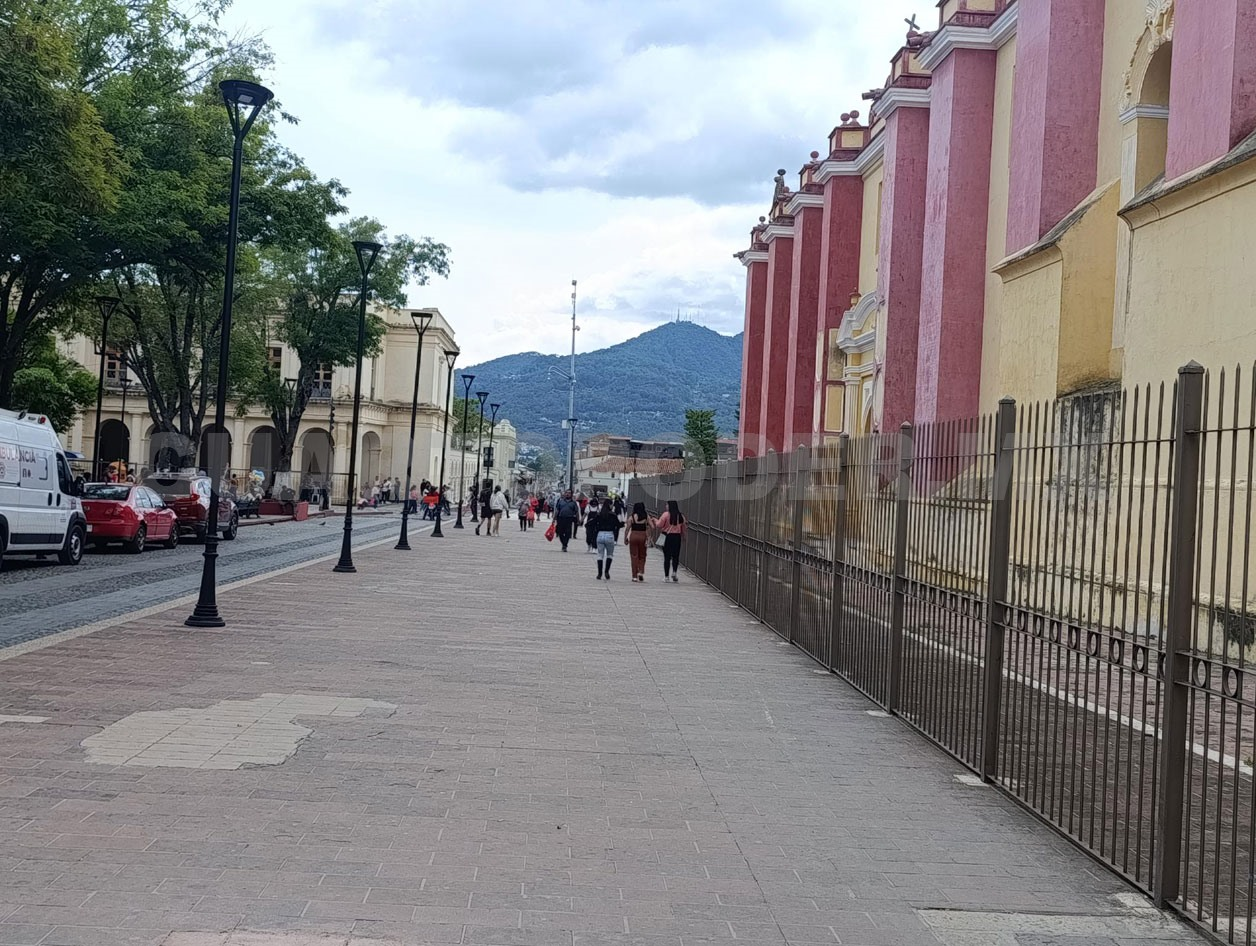

More than gentrification, what we’re seeing in San Cristóbal de Las Casas is touristification, said Biaani Cantú Luna, a sociologist from the National Autonomous University of Mexico (UNAM) and a master’s degree holder in Urban Studies from the Latin American Faculty of Social Sciences (FLACSO).
“In San Cristóbal, there isn’t gentrification, but rather touristification, which is similar but not the same. There is a territorial transformation, yes. Many of the businesses in the historic center are owned by the same original owners of the houses, but they decided to live on the outskirts. It’s not gentrification, but touristification,” she remarked.
Evictions
He stated that “for more than 20 years, there has been expulsion from the historic center, which is becoming commercial. People are leaving to rent out their commercial spaces. Yes, there is displacement and land use is changing, but it’s important to note that many original owners remain the owners of their homes; even if they live in other areas of the city, a hotel, a hostel, or a restaurant now operates in grandma’s house,” he pointed out.
Cantú Luna stated that gentrification “is the most written about topic in urban studies. It could be said that there is gentrification in San Cristóbal, but due to the imposition of a sense of taste in the center that excludes many people. The historic center appeals to a more refined taste, and in that symbolic sense, there is gentrification,” he stated.
She emphasized: “There is symbolic gentrification through restaurants and the appeal of refined taste that undermines Indigenous or cultural traditions; why it’s better to go to an Italian restaurant and not eat a tamale, so to speak, but in the strict sense of displacement and dispossession, no, especially since many establishments are owned by residents.”
Examples
For example, she asked, “What is the difference between an Indigenous artisan woman selling a reboso in Santo Domingo or on the street and a designer store selling a reboso made by artisans, but the designers are French? There is a process of gentrification there. But in the traditional or cultural sense that many people arrive and push others out, and the area becomes richer. Not in the strict sense of the term.”
She noted that “tourism, which brings many benefits, is a special phenomenon that changes streets and facades, brings in a lot of people, and generates a lot of mobility; in other words, there is a special transformation that the authorities must address because in the long term we can fall into gentrification,” she added.
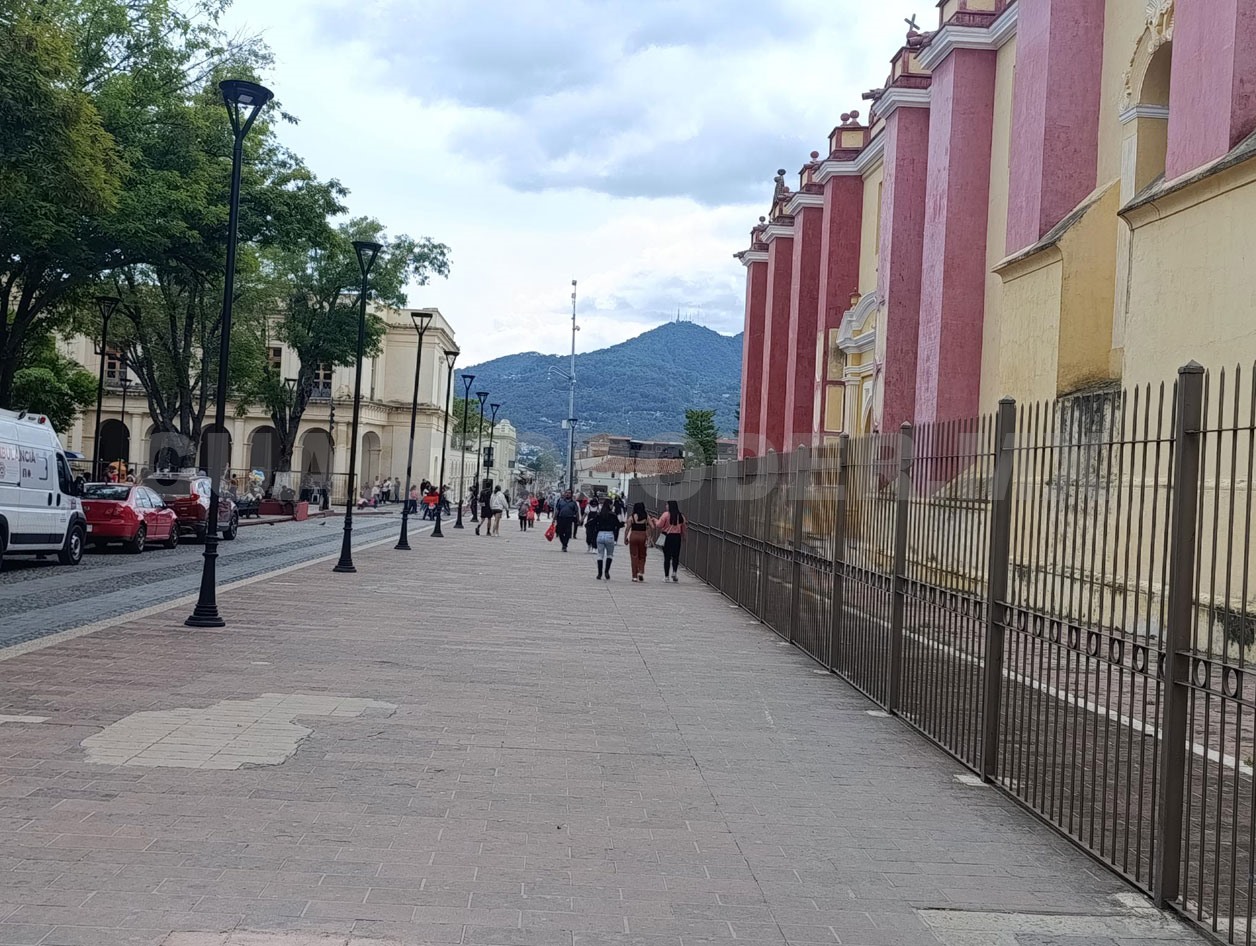
She maintained that “we are already experiencing how some areas are more beautiful than others, like the downtown area, which has pedestrian streets, underground cabling, and the best internet services, which is in some way generating inequality in San Cristóbal, and this must be observed geographically and territorially. It does have repercussions and can create a more unequal and hostile city.”
The specialist considered that “tourism can increase inequalities. In fact, this is already happening, although it is not called gentrification. The central issue around which the discussion should revolve is how to have a more egalitarian and just city.”
Another example: “Most employees at establishments located in the historic center earn the minimum wage or less and live in the neighborhoods on the outskirts; there’s inequality there because for a national or international tourist, or simply a resident who wants to indulge themselves and go to a more or less decent restaurant, means the worker serving you doesn’t have the same special benefits.”
Source: cuartopoder