The National Meteorological Service (SMN) of the National Water Commission reported that a strong northerly wind event is expected this Thursday, with gusts between 70 and 90 kilometers per hour in the Isthmus and Gulf of Tehuantepec, as well as heavy rains in northern Chiapas state, resulting from the passage of cold front number 11 and its associated polar air mass.
The weather system will cause a drop in temperature, high waves, and possible thunderstorms in various areas of southeastern Mexico, particularly in Chiapas. The head of Civil Protection in Tuxtla Gutiérrez, Eder Mancilla, urged the public to take precautions due to the expected temperature drop in the coming hours.
For Chiapas, rainfall of 25 to 50 millimeters is expected, mainly in the northern region, with potential impacts on rural roads. Waves of up to 4 meters in height are expected in the Gulf of Tehuantepec, so maritime and port authorities are advised to take extreme precautions due to the risk to small vessels. The cold front will also cause low temperatures in mountainous areas of central and northern Chiapas.
What is a cold front?
A cold front is a meteorological phenomenon that occurs when a mass of cold air advances and displaces a mass of warm air, causing abrupt changes in weather conditions. When the two air masses collide, the warm air, being less dense, rises rapidly, causing cloud formation, rain, strong winds, and a drop in temperature.
These fronts usually originate at high latitudes and move toward warmer regions. Their passage can bring thunderstorms, fog, drizzle, and even snowfall to cold or mountainous areas. In Mexico, cold fronts are common between October and April and are often accompanied by “Norte” events, characterized by strong winds in the Gulf of Mexico and the southeast of the country.
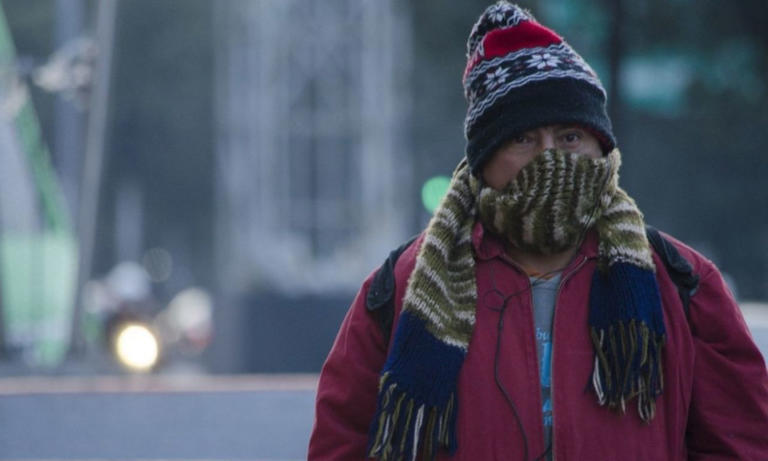
During the cold season, it is important to protect yourself properly to avoid respiratory illnesses and other health problems. The first recommendation is to dress warmly, using several layers of clothing, a hat, scarf, and gloves, since much of the body’s heat is lost through the head and extremities. At home, it is advisable to keep windows closed to avoid drafts, but allow some ventilation if using heaters or stoves to prevent carbon monoxide poisoning.
It is also essential to eat a balanced diet, consuming fruits and vegetables rich in vitamin C, which strengthen the immune system. Drinking hot beverages helps maintain body temperature. It is recommended to avoid sudden temperature changes, especially when going from warm places to the outdoors.
In the case of children, the elderly, and people with chronic illnesses, special care should be taken, as they are more vulnerable; in addition, it is advisable to get vaccinated against influenza and stay well hydrated; finally, bonfires or braziers inside the home should be avoided, and if symptoms such as cough, fever, or difficulty breathing are detected, go immediately to a health center.
Source: msn