Chiapas will once again take center stage in traditional sports, having been confirmed as the host of the Indigenous and Traditional Games. This event will bring together indigenous communities from various states across the country and could even include international delegations, announced Bárbara Altuzar Galindo, Director General of the Chiapas Sports Institute.
Currently, Chiapas has a delegation of approximately 60 people representing these games, though efforts are underway to increase the number of participants and prevent these practices from disappearing with each generation.
The ages of those who practice these sports vary, as they are activities passed down through tradition. “We have children as young as 10 years old up to adults between 20 and 25 years old,” explained Altuzar Galindo.
You can also read: Pride of Chiapas: Patricia Rojas closes 2025 with 22 medals
The official highlighted that the state has a history as a pioneer in this type of event, so the designation represents not only a historical recognition, but also an opportunity to preserve and strengthen the sporting practices linked to the cultural identity of the indigenous peoples. “Years ago, Chiapas hosted the games, and we are delighted that we can once again be the national host,” she noted.
Altuzar Galindo explained that the specific venue has not yet been determined, although three options are being considered: San Cristóbal de Las Casas, Comitán, or Tuxtla Gutiérrez, seeking the alternative that allows for the best logistical and reception conditions for the participating delegations.
“It will most likely be San Cristóbal, Comitán, or Tuxtla Gutiérrez, looking for the best option to welcome all the visiting sports teams,” she specified.
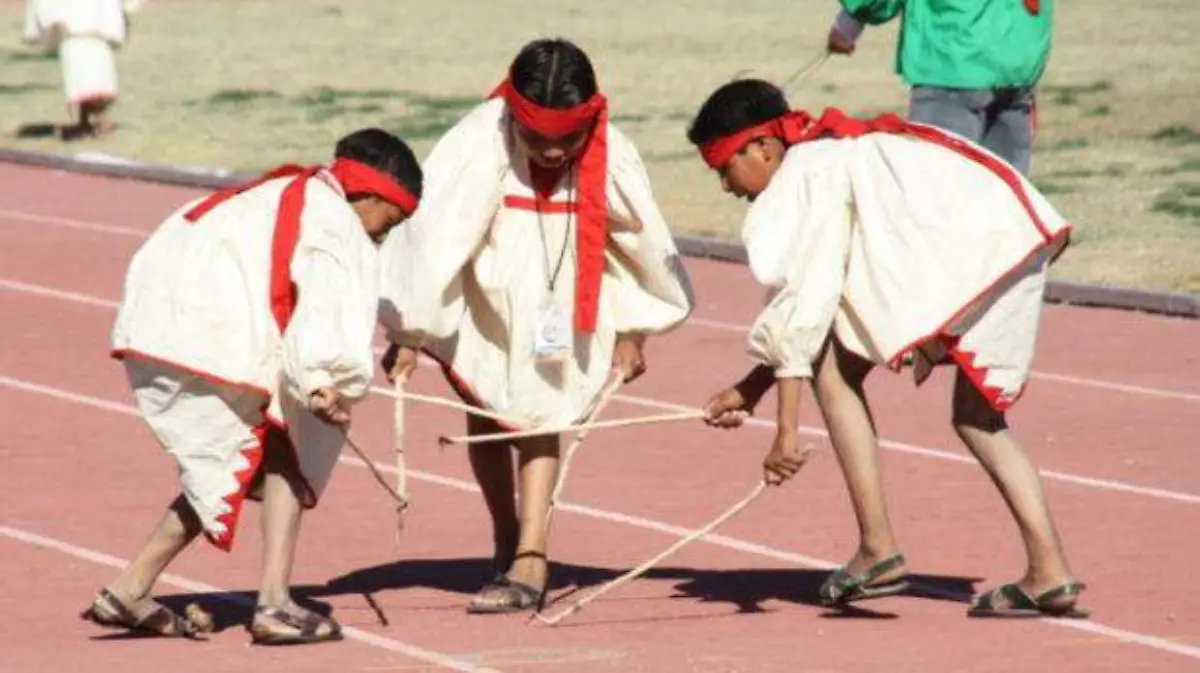
According to the Sports Institute, the event includes the participation of traditional disciplines such as Purépecha ball, Pasch Pasch, and other indigenous games, many of which have cultural ties to similar practices in other states of the country.
In addition to the national delegations, the director did not rule out the presence of groups from other countries, which would broaden the cultural scope of the event and position Chiapas as a leader in the preservation of traditional sports. “There is a possibility that we will have visits from other groups from other countries,” she stated, emphasizing that the main objective is to preserve the identity and roots that unite the indigenous communities.
At the same time, the director of the Sports Institute noted that a strategy is being maintained to strengthen physical activity in the 12 municipalities considered to have the greatest social disadvantage, where disciplines such as soccer and basketball have historically predominated.
She indicated that they are looking to introduce other low-cost disciplines through sports fairs and physical activity programs, to prevent a lack of resources from being an obstacle to participating in sports. “We are going to try to introduce other disciplines so that they can gain knowledge and develop them with a limited budget,” he stated.
Finally, Altuzar Galindo emphasized that holding the Indigenous and Traditional Games in Chiapas represents an effort to prevent these practices from being lost, to reinforce cultural identity, and to ensure that new generations continue to embrace their sporting and community heritage.
Source: oem