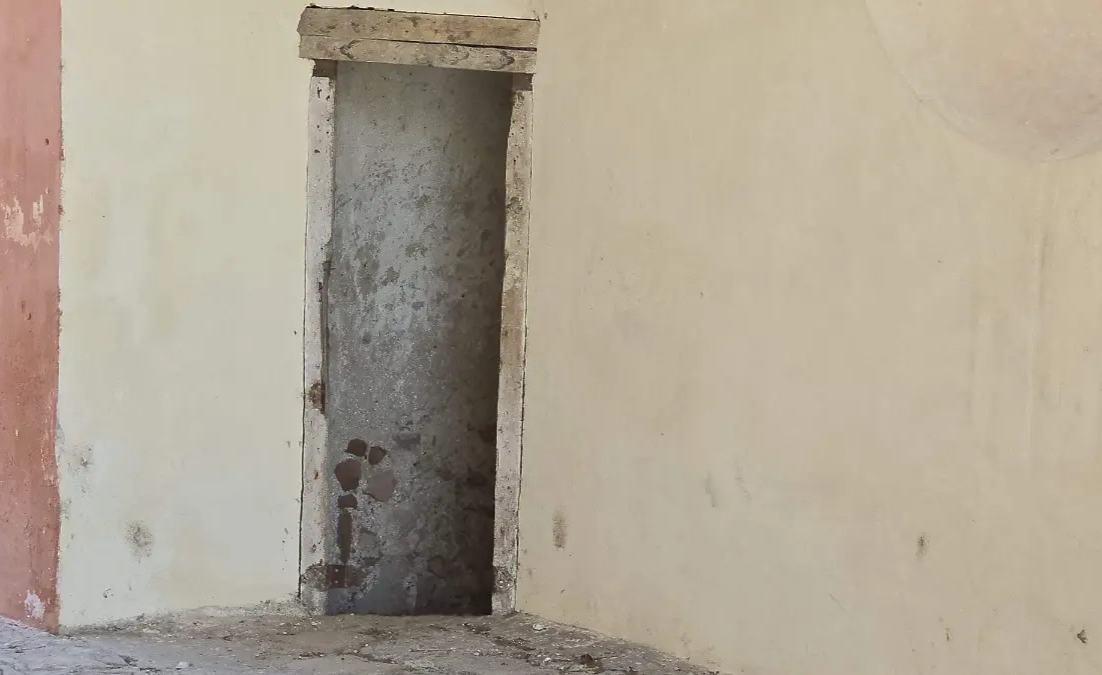

In San Cristóbal de Las Casas, in the Highlands of Chiapas, one of the most intriguing stories among residents and visitors persists: the existence of supposed underground tunnels connecting old churches in the city’s historic center.
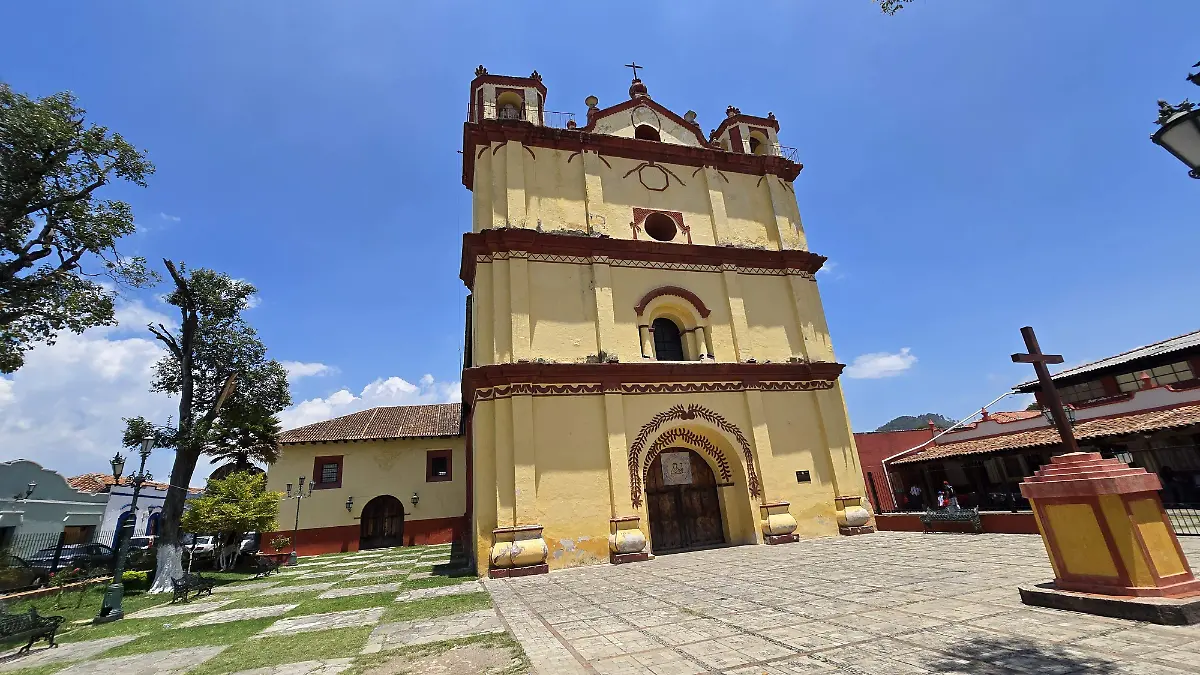
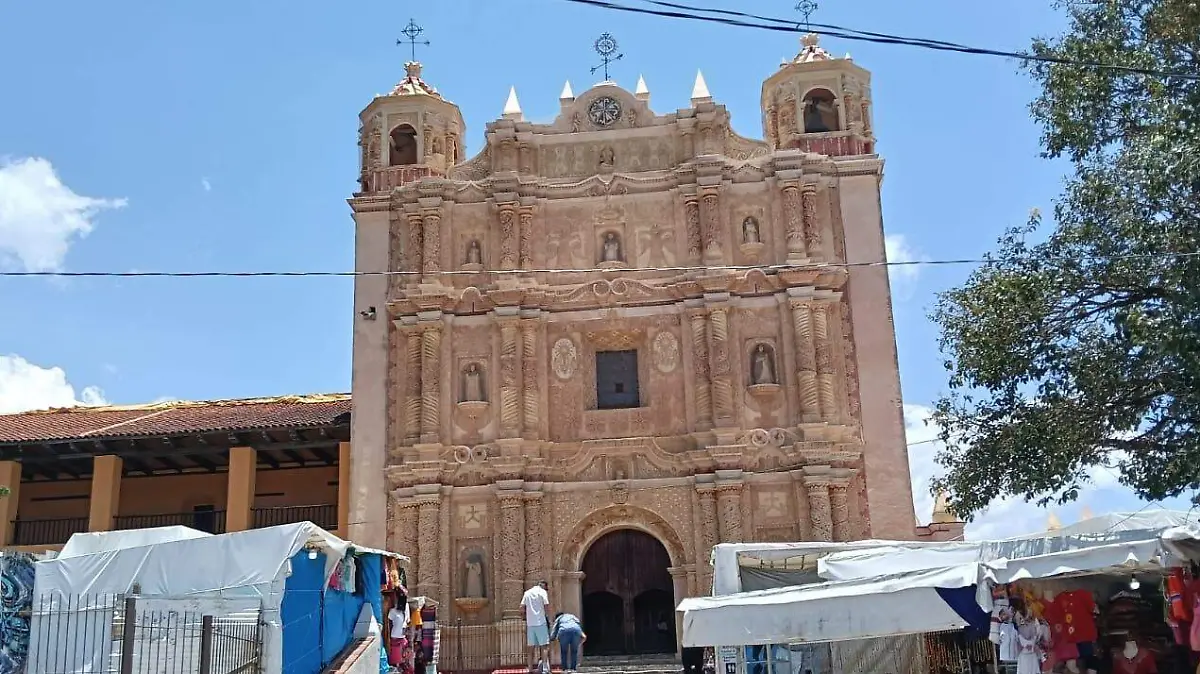
Although many consider it an urban legend, several residents insist that these passageways did exist and that the main entrances were located in historic temples such as the Santo Domingo Temple, the Carmen Church, the Cathedral, and other religious buildings constructed during the colonial era.
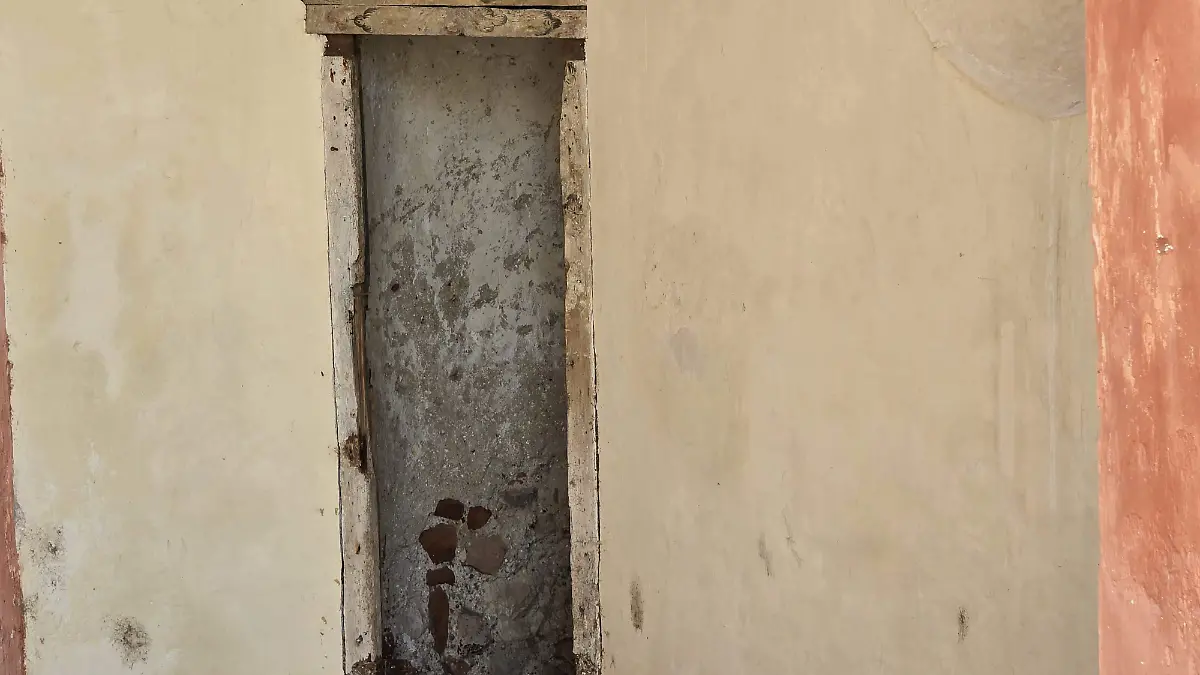
According to accounts shared among the locals, known locally as “coletos,” these tunnels were built shortly after the city’s founding by religious figures who constructed both the Santo Domingo convent and temple, as well as the Convent of the Sisters of the Incarnation, located next to the Carmen Church. However, to this day, there is no absolute certainty about their purpose.
Some residents maintain that the passageways were sealed because they housed treasures and valuables belonging to the Catholic Church. However, there is currently no public access that would allow for physical confirmation of the tunnels’ existence.
Regarding this topic, San Cristóbal historian Enedina Domínguez Díaz asserted in an interview that the tunnels did exist, although with urban growth and the passage of time they deteriorated and collapsed.
“The issue of the tunnels has become an urban legend. They did exist, but they no longer do. We must remember that San Cristóbal has grown considerably; there are numerous buildings, and the urban sprawl has changed significantly,” she explained.
The historian detailed that, according to historical documents she consulted, the tunnels connected various religious temples in the city.
“The tunnels began at the Church of Santo Domingo, connected to the Cathedral, and ended at the Church of San Francisco. Access is not possible because the entrances are inside the churches and are not open to the public,” she noted.
Domínguez Díaz indicated that the deterioration of these structures was likely caused by factors such as earth movements, earthquakes, and urban sprawl.
“Today, there are many houses and buildings on top of those areas. Over time, and due to earth movements, the tunnels were filled in or collapsed,” she stated.
She also explained that these spaces may have served as a refuge for Catholic religious figures during periods of persecution. “The tunnels were built because the religious figures were being persecuted, and they hid there,” she commented.
Finally, the historian acknowledged that there is no exact date for when these underground passageways ceased to function, although she believes they were abandoned after the departure of religious orders from Chiapas between the late 19th and early 20th centuries. “I would say that they stopped working between 1892 and 1900. Over time they became filled in and unusable,” he concluded.
Source: oem