
The Yellow River (Río Amarillo), which flows through the eastern, northern, and western sections of San Cristóbal de Las Casas, continues to be one of the city’s most polluted waterways—a situation that concerns residents and environmentalists alike due to the accumulation of trash, foul odors, and the proliferation of mosquitoes.
Despite constant appeals from authorities and environmental groups to refrain from dumping waste into rivers and streams, a large segment of the public continues to deposit trash in the streets and riverbeds. During the rainy season, this practice results in tons of waste becoming trapped against bridges and drainage outlets, triggering flooding and creating public health hazards in various sectors of the Jovel Valley, located within the Altos de Chiapas region.
During a recent inspection tour of the Yellow River, observers noted critically low water levels alongside a significant accumulation of trash and solid waste. Environmentalists pointed out that the situation has worsened due to pollution generated by the local population itself.
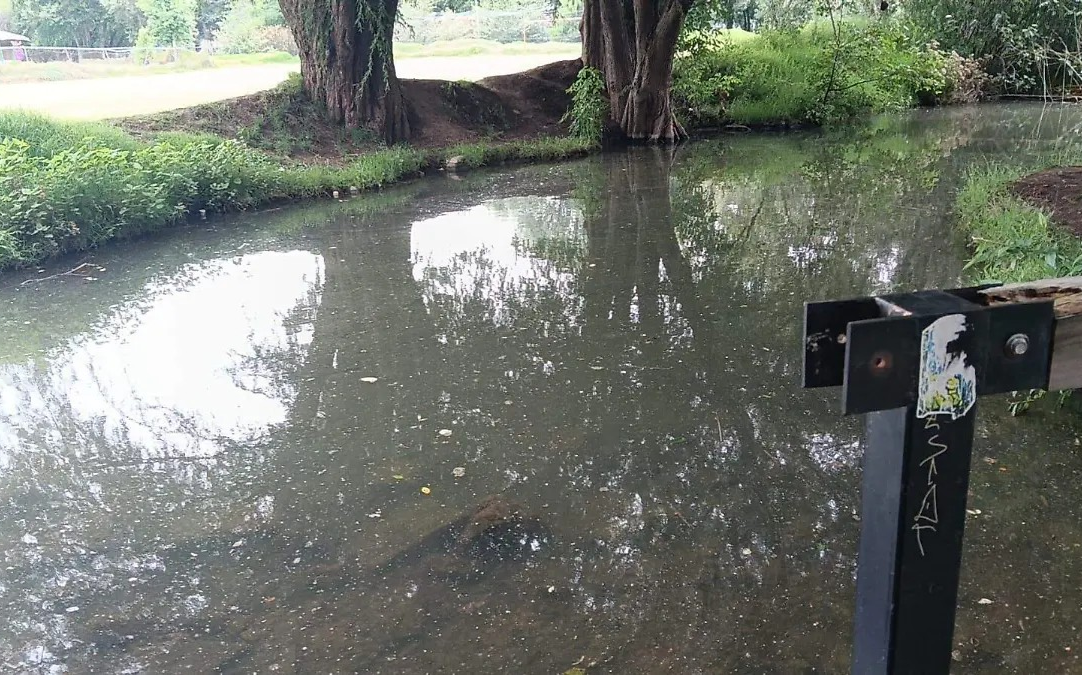
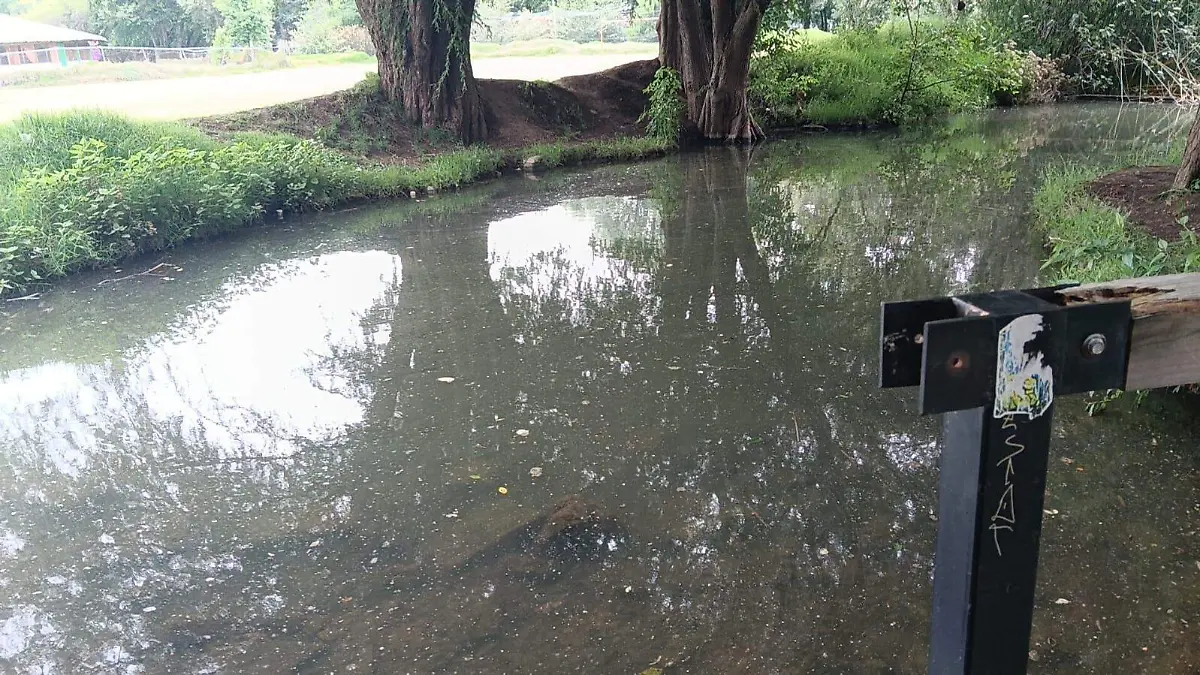
Furthermore, the water visible in various sections of the river exhibits dark brown and black discoloration—evidence strongly suggesting the discharge of sewage and wastewater.
In this regard, Matusalén López—an amateur runner who visits the Municipal Sports Centers (CEDEM) daily to exercise—noted that one of the most glaring issues is the proliferation of mosquitoes in the area immediately surrounding the river.
“I come here to run at CEDEM every day. The Yellow River runs nearby, and the water is completely polluted—absolutely full of trash. On top of that, people are plagued by mosquito bites starting very early in the day,” he remarked.
He explained that at one specific point along the waterway, there is a sort of natural barrier or drop-off—approximately two meters in height—where massive piles of trash become snagged; this obstruction fosters the accumulation of stagnant water and creates a breeding ground for mosquitoes. Yellow River
The water of the Yellow River displays dark hues, possibly due to wastewater discharges. / Gilberto Morales / El Heraldo de Chiapas
“Trash gets trapped and stagnates here, which leads to a proliferation of mosquitoes. The authorities should remove that barrier to prevent all the waste from accumulating; that would be a good solution,” he stated.
Finally, he issued a call to the public to heed the recommendations of environmentalists and authorities by refraining from littering in the streets and waterways.
“I urge the public to avoid discarding plastic bottles, bags, tires, mattresses, refrigerators, and other objects that ultimately end up polluting the river,” he concluded.
Source: oem