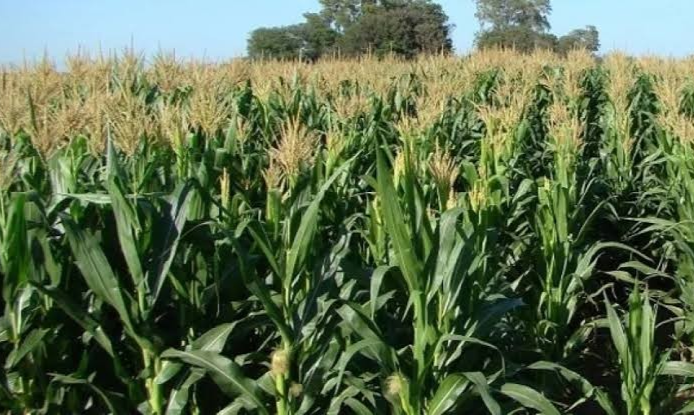

Data from the Agri-Food and Fisheries Information Service indicates that in Chiapas, the area under cultivation has decreased by 76% in the last three decades, dropping from 850,000 to just 200,000 hectares.
The combined effects of climate change and drought, along with human activity, have begun to take their toll on the soil.
“This soil degradation has led to multiple problems, one of which is the loss of the capacity to achieve good agricultural yields. It’s a vicious cycle because farmers use six to eight liters of agrochemicals every year.”
The Citizens’ Alliance for Social and Sustainable Development in Chiapas reported that during 2023, approximately 14,000 Chiapas producers lost access to the Production for Well-being program, which provided 6,000 pesos annually for labor and basic supplies. The problem, they said, stemmed from errors in the entry of personal data.
“The agricultural sector is practically dismantled. During the previous administration, they eliminated the program through which the federal government allocated substantial resources to Chiapas.”
Currently, the guaranteed price for corn is seven pesos per kilogram or seven thousand pesos per ton. According to producers, cultivating one hectare requires an investment of between 12,000 and 15,000 pesos.
For the 2026 growing season, the Chiapas government is projecting an ambitious plan to produce 35,000 tons of white corn on 5,000 hectares, focusing on the central, Comitán Plateau, and Frailesca regions, seeking to revitalize local agriculture. This effort includes a guaranteed price of eight thousand pesos per ton to promote sales.
Researcher Lorena Soto points out that agroforestry has begun to be a lifeline for agriculture, having had a positive impact in other countries.
“This increases the value of the land, the value of people’s labor, and also results in more products, more ecological, social, and environmental benefits, and of course, economic benefits as well,” he said.
The difficult economic situation, the lack of support, and the conditions prevailing in the first months of 2026 have placed corn producers in Chiapas at a critical juncture, due to a drop of more than 35 percent in the price of this staple grain.
Source: meganoticias