
Nestled among rural roads and cultivated fields, the village of Omoa, part of the municipality of Tuxtla Chico, preserves a way of life that seems distant to many, but for its inhabitants represents the daily reality of a community where farming remains the primary source of income.
To reach this place, one must travel along roads that connect with neighboring communities such as Santo Antonio and El Sacrificio. As you travel, the landscape changes. The noise of the city disappears and is replaced by birdsong, the wind rustling through the trees, and the activity of those working the land.
Crescencio López Pérez, a resident of the village, explains that approximately 500 people live in Omoa. Although some have salaried jobs, most maintain a close connection to the land and agriculture.

“There are people who work in different fields. Some have jobs as nurses or in other areas, but many dedicate themselves to planting and producing their own food,” he says.
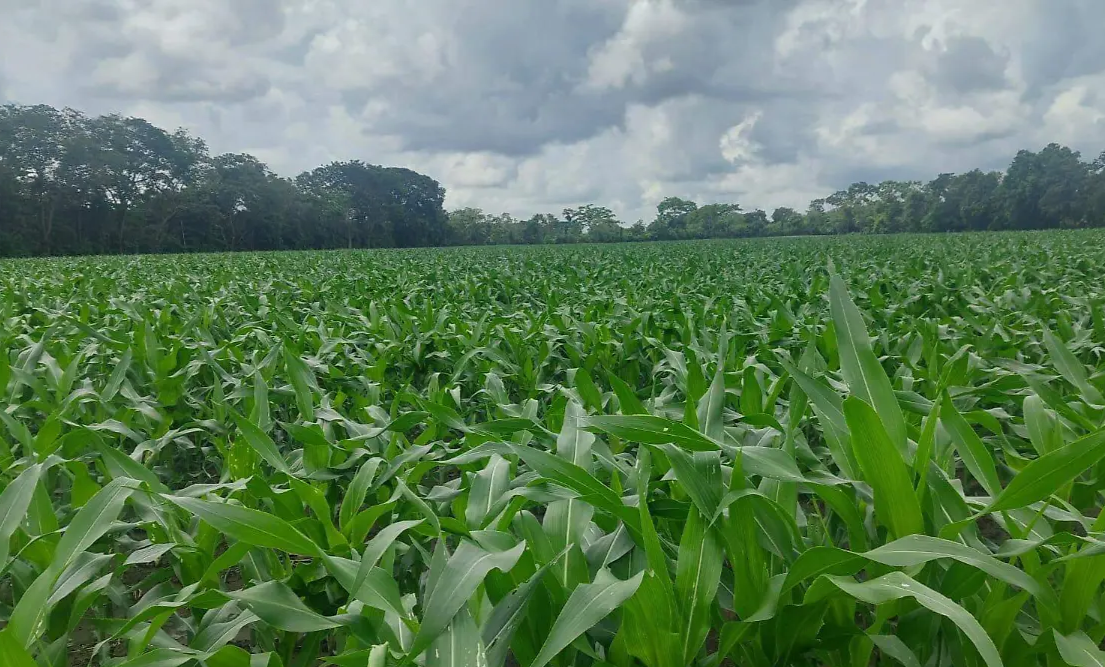
Agricultural plots are a fundamental part of daily life. Corn, beans, pineapple, squash, and aromatic herbs like chipilín and basil are cultivated there. Part of the produce feeds the families, while the rest is taken to regional markets for sale.
From early morning, it’s common to see men and women working in the fields. Some clear land, others irrigate crops, or prepare the harvest that will later be sold in the markets of Tapachula and nearby communities.
The family economy in Omoa functions differently than in urban areas. Crescencio believes that a family of four or five can get by on about 1,000 pesos a week, thanks to the fact that much of their food comes from their own production.
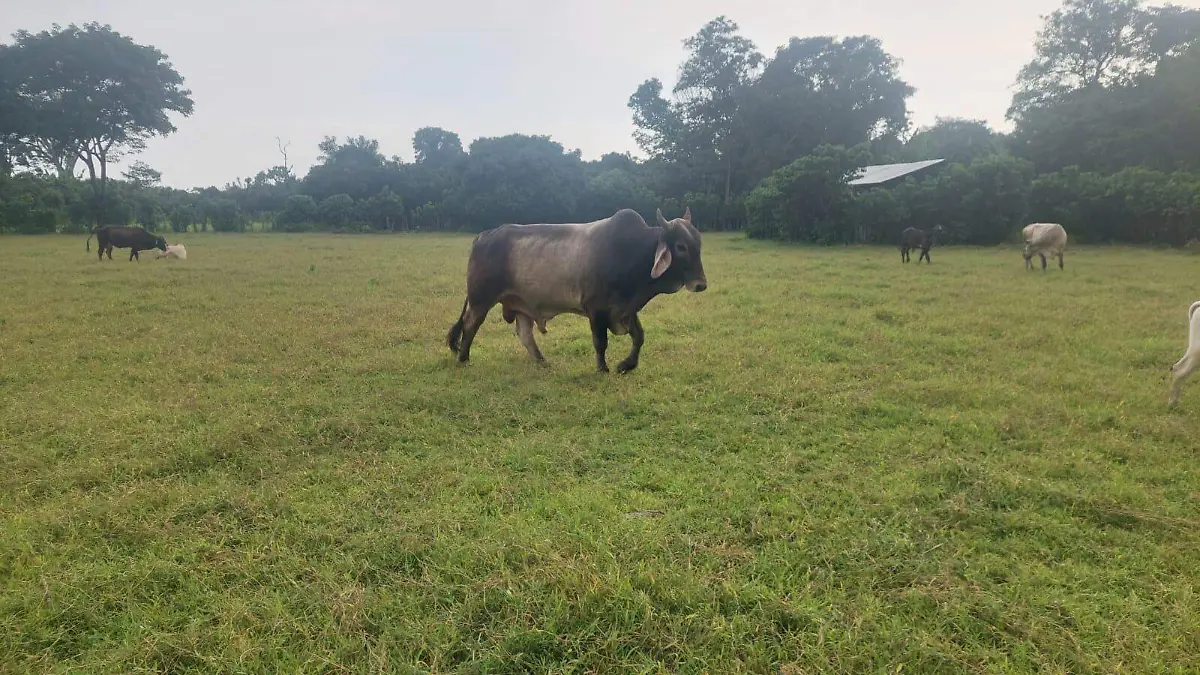
“Those who grow corn don’t buy tortillas; those who have cows get milk and cheese; those who have chickens or pigs have food for their families. Here, much of what is consumed comes from the land itself,” he explains.
Food self-sufficiency remains an important characteristic. Many households raise chickens, pigs, and small livestock. Yards often feature fruit trees and small family gardens where produce is grown for daily consumption.
Although some residents commute daily to Tapachula for work, many prefer to remain in the community and dedicate themselves to agricultural activities. The proximity to the city allows them to combine both lifestyles.
Source: oem